
What to expect if your pet needs surgery
Your pet is a treasured family member and we understand how much they mean to you. We take enormous pride in our surgical work and our knowledgeable team are often…
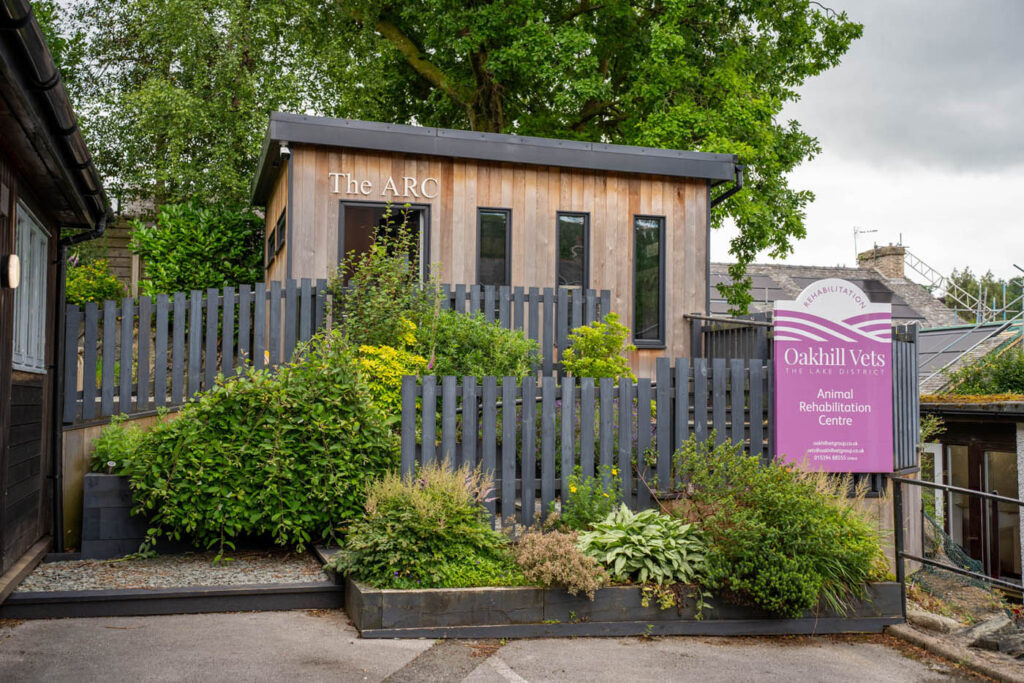
Welcome to our Animal Rehabilitation Centre (ARC), Veterinary-Led Canine Rehabilitation, Physiotherapy & Hydrotherapy centre in the Lake District.
We provide a full range of cutting-edge therapies, including:
Oakhill’s state-of-the-art Animal Rehabilitation Centre (ARC), established in 2019, is one of the UK’s few veterinary-led facilities dedicated to advanced canine rehabilitation and pain management. Since 2019, we’ve helped thousands of dogs regain mobility, reduce pain, and return to active, healthy lives.
Veterinary Physiotherapists use an integrated multi-modal approach in order to; prevent injury, relieve pain, restore and maintain optimal function, promote healing, improve movement, enhance performance and maximise quality of life.
Following initial evaluation, a tailored treatment plan will be created in order to help your pet achieve the outcome goals set at the beginning of the sessions. Re-evaluation appointments will be scheduled on a case by case basis. Veterinary Physiotherapy is beneficial in all cases, but is pivotal in restoring function and comfort in; geriatric patients, pain and wound management, neurological and orthopaedic cases and arthritic patients.
Electrotherapies
Here at Oakhill, the ARC offers a wide variety of modalities to maximise recovery. These include; Laser Therapy, Ultrasound and two different types of muscle stimulation. Electrotherapies are often utilised alongside other modalities and each individual machine has its own benefits – so you’ll be sure your pet is receiving the optimal treatment for them!
Therapeutic Exercise
Our specialised veterinary physiotherapists are able to hand pick specific exercises bespoke to your pet’s individual needs and requirements. Exercises are used to help build; strength, co-ordination, balance and function during each animal’s rehabilitation journey, and these can be adapted around you and your lifestyle.
Manual Therapies
The term manual therapies includes techniques such as; joint mobilisations, specific stretches and tailored massage. These techniques can be used to; Reduce muscle soreness, tension and spasm, Decrease overall pain and swelling, Increase joint range of motion, Improve blood flow and circulation, Increase muscle and soft tissue flexibility… to name a few benefits!
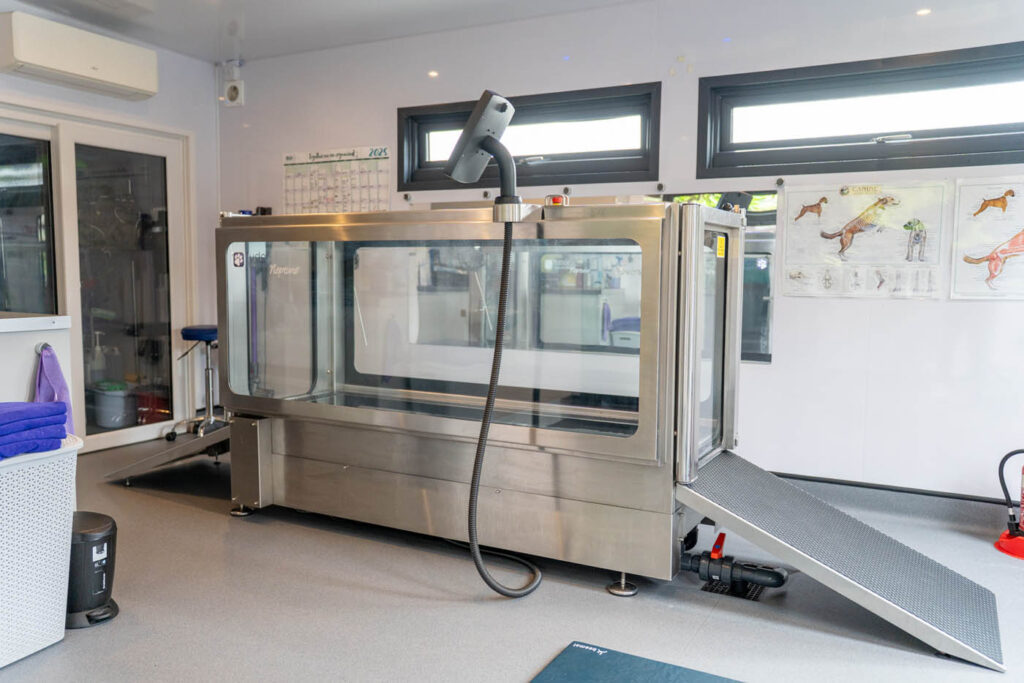
Our canine hydrotherapy treatments take place in a state-of-the-art, extra-large underwater treadmill, ideal for dogs of all sizes. This form of aquatic therapy for pets uses controlled exercise in warm water (maintained between 28–30°C) to reduce pressure on painful joints while strengthening muscles to restore and improve daily function, as the dog walks, a whirlpool effect is created from the turbulence and this encourages tissue fluid (known as lymphatic fluid) to drain, reducing swelling in the limbs. Hydrotherapy encourages a full range of joint motion in reduced weight conditions, thus improving muscle tone and promoting tissue repair without imposing undue stress on damaged tissues.
Hydrotherapy is particularly beneficial for:
If hydrotherapy is recommended, our veterinary physiotherapist, will develop a personalised treatment plan tailored to your dog’s specific needs and condition.
Whether your dog is recovering from surgery, struggling with mobility, or in need of performance support, underwater treadmill therapy is an effective, low-impact way to aid recovery and build strength — and most dogs really enjoy it too!
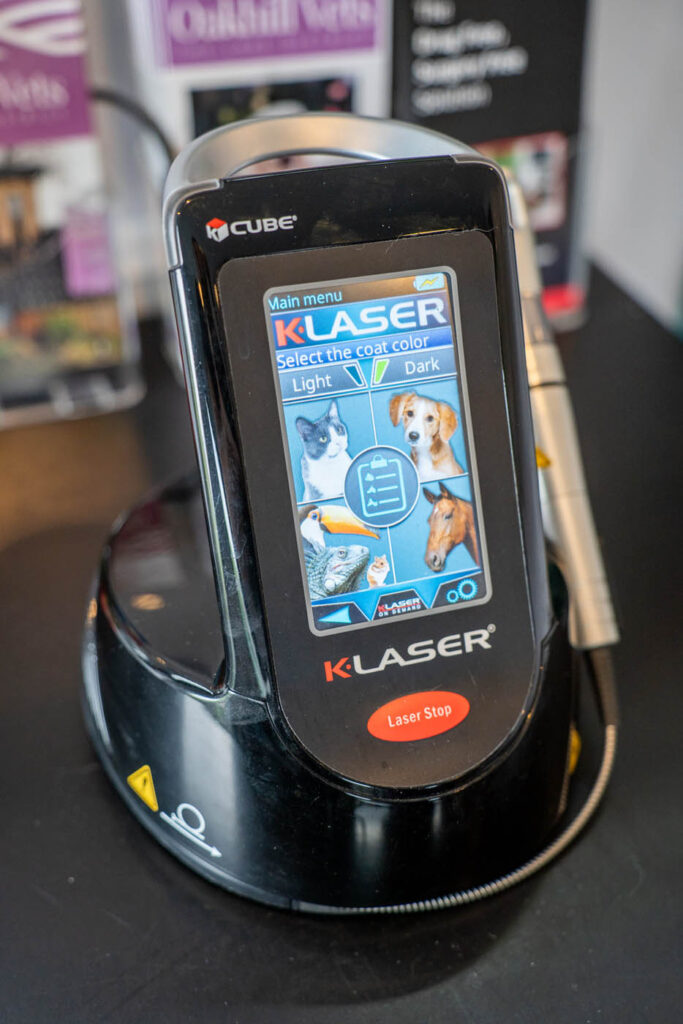
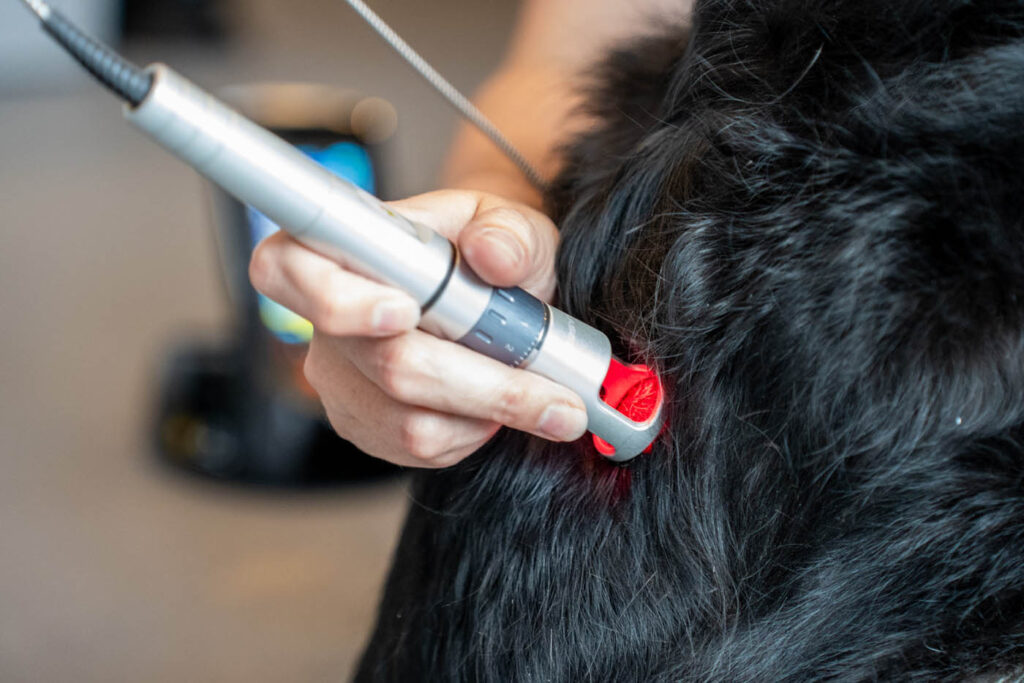
Canine Laser Therapy, also known as Photobiomodulation (PBM), is a cutting-edge, non-invasive treatment that uses light energy to stimulate cellular healing and relieve pain. By delivering specific wavelengths of light into the tissues, laser therapy for dogs helps reduce inflammation, accelerate tissue repair, enhance circulation, and provide targeted pain relief.
This advanced therapy is highly effective in treating a wide range of conditions, including:
Each canine laser therapy programme at our veterinary-led Animal Rehabilitation Centre is tailored specifically to your pet’s condition and needs. Treatments are carried out by our experienced veterinary team, who are trained in delivering these advanced laser procedures safely and effectively.
Whether your dog is recovering from surgery, managing chronic pain, or dealing with soft tissue injuries, laser therapy can offer faster healing and improved quality of life. We use light at precise wavelengths to penetrate the target tissue to varying depths. The tissue responds by making energy which it uses to speed up healing, reduce inflammation and increase local blood supply, as well as reducing pain in the area.
Our K-LASER provides pain free and drug free, non-invasive treatment, and is highly effective for animal therapy.
Canine acupuncture is a complimentary drug-free therapy used alongside conventional veterinary medicine to support pain relief and healing in dogs. At our Animal Rehabilitation Centre, our acupuncture treatments are delivered by Becky Dean, one of our mixed practice veterinary surgeons who trained and qualified via WVAG, and has been practising acupuncture since 2017. In accordance with UK law, all animal acupuncture must be performed by a licensed vet.
Using a Western Scientific Approach, we first establish a clinical diagnosis and then integrate veterinary acupuncture as part of a wider, holistic treatment plan. This therapy is particularly useful in complementing other treatments and can be used safely alongside conventional medications.
How Canine Acupuncture Works:
Fine, sterile needles are inserted into specific areas of your pet’s body to stimulate the nervous system. Over the course of several sessions, acupuncture for dogs can:
Common conditions treated with canine acupuncture include:
A typical initial course of acupuncture for dogs lasts around six weeks and is well-tolerated by most pets — many even find it relaxing. Many pets go on to receive long term routine treatment plans.
During the session you remain with your pet, who will be made comfortable on a soft matress & bed. The needles are ‘non traumatic’ and most pets tolerate the process really well, some even fall asleep!.
Whether your dog is dealing with chronic pain, mobility issues, or injury recovery, veterinary acupuncture can be an effective and gentle option to improve their comfort and quality of life.
Canine massage therapy is a powerful, non-invasive treatment that supports dogs dealing with chronic pain, soft tissue injuries, orthopaedic conditions, and neurological issues. At Oakhill’s veterinary-led Animal Rehabilitation Centre, clinical massage for dogs is offered as part of a comprehensive, personalised care plan — often alongside other therapies such as physiotherapy, acupuncture, and laser therapy.
Just like in humans, dog massage helps restore healthy muscle function, relieve tension, and promote a more pain-free, active lifestyle. Our approach to canine massage includes:
Within 1-3 sessions, clinical massage can restore the muscles and fascia back to optimal health. Here at the ARC we use four types of massage; Swedish, Sports, Deep Tissue and Myofascial release. Massage sessions are usually delivered over a minimum three-week course. Canine massage is especially beneficial for:
Whether your dog needs help recovering from injury or simply more comfort in everyday life, canine massage therapy can be a gentle but highly effective part of their recovery and wellbeing plan.
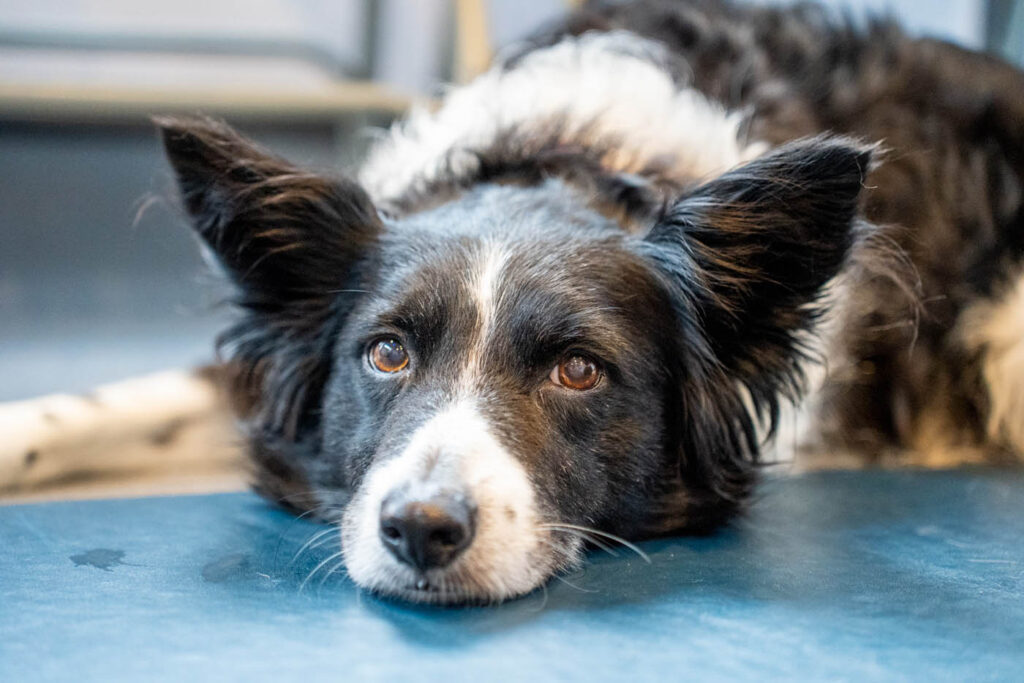
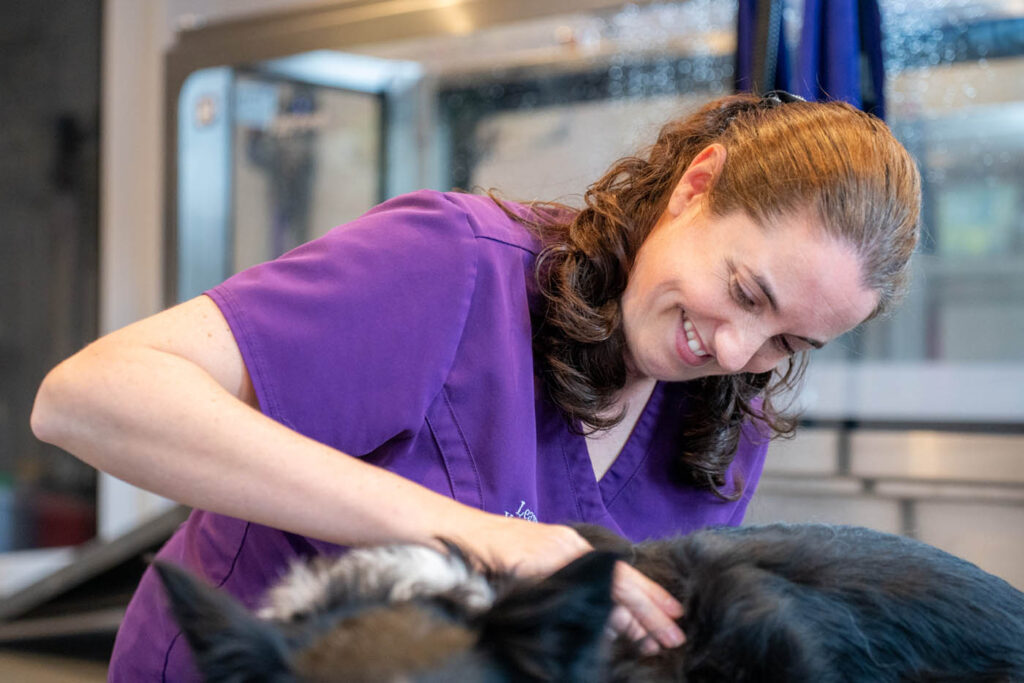
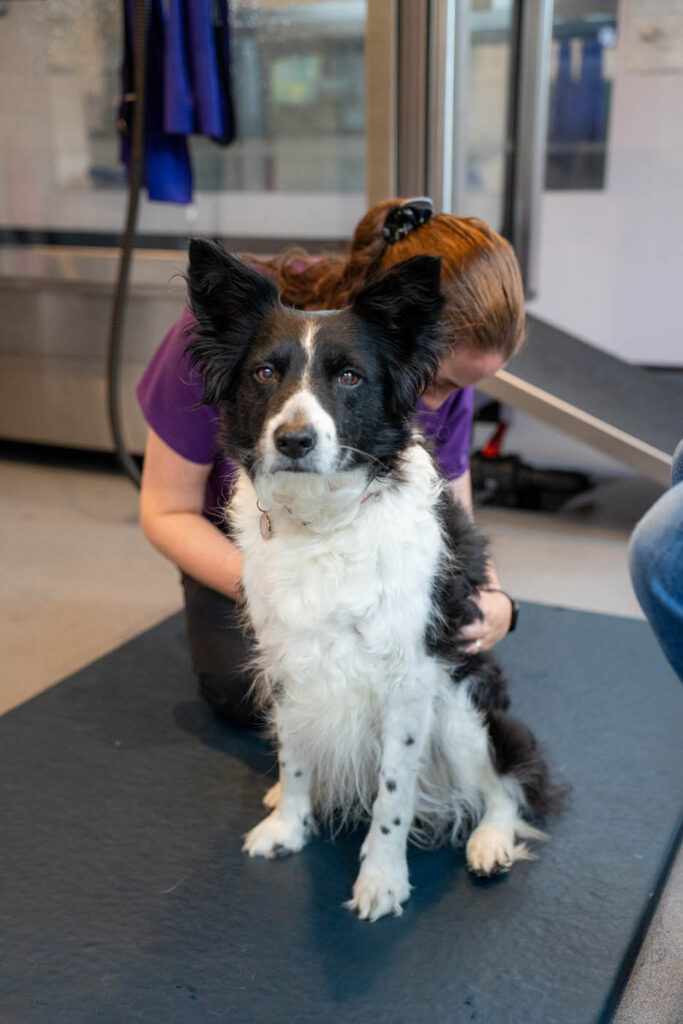
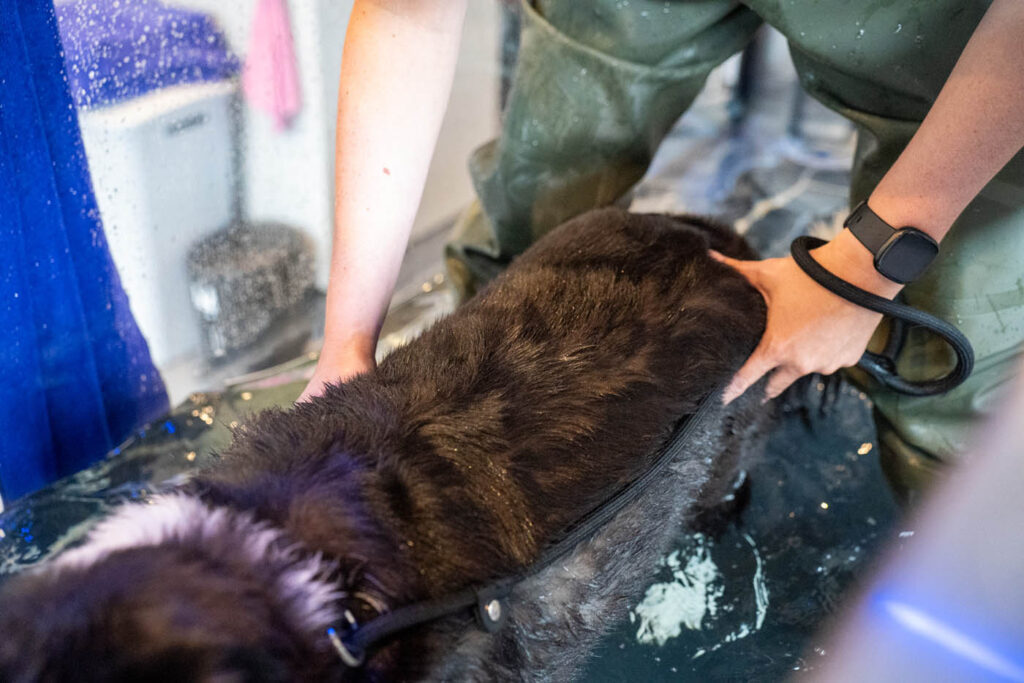
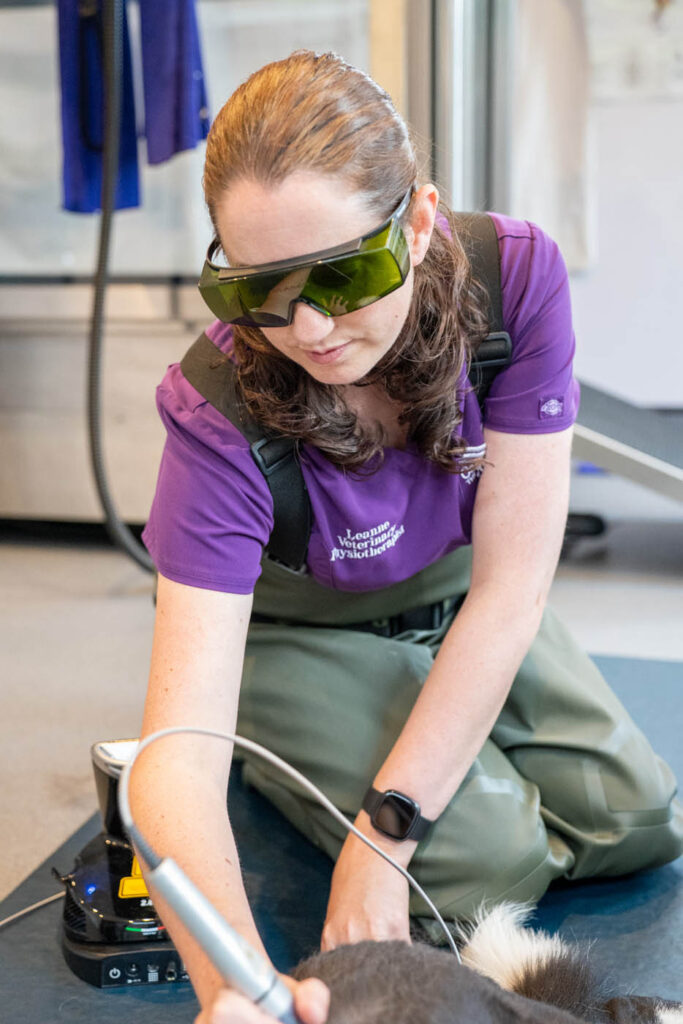
Our centre offers tailored rehabilitation programmes for dogs recovering from surgery, managing chronic conditions like arthritis, or underperforming in sports and working roles.
Treatments are prescribed and overseen by a veterinary surgeon qualified in canine physiotherapy, ensuring expert care at every stage.
With support from European funding (EAFRD and LEADER), we’ve invested heavily in the latest technologies to support your pet’s recovery. Based in the Lake District, our canine physiotherapy and hydrotherapy clinic welcomes local clients and also accepts referrals from veterinary practices across the UK
Regenerative medicine is a fast-emerging branch of veterinary medicine in which the body’s own cells are used to heal and ultimately regenerate damaged tissues in acute and chronic conditions. This area of medicine includes Platelet Rich Plasma (PRP) and Stem Cell therapies with accompanying laser therapy.
After a full orthopaedic and neurological examination of your pet we combine our findings with the techniques below. We can then gain a full diagnostic picture of your pets’ condition and when all the information is reviewed, we are in a position to advise the best course of treatment for your pet.
Oakhill Vet Group has state of the art radiography equipment. This allows us to do a full assessment of your pet’s spine and limb joints. Radiography is the main stay of osteoarthritis (OA) diagnosis and the first tool usually recommended to diagnose the condition. Radiographic changes that you can visualise in OA include soft tissue swelling, new bone growth and in severe cases quite large deposits of new bone.
This is a flat platform mat on which the patient stands with one foot in each quadrant. It enables practitioners to quickly get objective measurements showing how the patient is weight bearing. The data provides four averaged numbers that show the percentage of the patient’s weight being placed on each limb. The ideal percentages are 30% for each forelimb and 20% for each hind limb. We take measurements before RM therapies and at regular intervals during treatment programmes. This provides objective data illustrating the response to the treatment and the rate of progression.
Goniometry is the process of measuring a joint’s full range of motion. Our digital goniometer is used to measure the angle of full flexion and full extension of the limb, and this is recorded. Readings are compared throughout a treatment program to ensure beneficial changes are being achieved.
This is how we quantify muscle mass. Using a Gulick tape measure, which has a pressure gauge allowing all practitioners to use the same pressure whilst measuring. This makes the results more accurate and repeatable. Many orthopaedic and neurological conditions cause muscle wastage, and we can measure muscle growth using this simple tool.
Platelet Rich Plasma (PRP) is a highly concentrated blood sample that contains isolated cells (platelets) and the fluid portion of blood (plasma). When used as a therapy, PRP can help regenerate and heal tissues as well as significantly reducing joint inflammation and pain. It achieves these results by:
Recruiting cells to an area of injury to clean up dead and injured cells
Releasing proteins called “Growth Factors” which are responsible for tissue regeneration.
Watch this video to see how it works:
If one of our vets feels that PRP therapy is right for your pet, we can prepare and treat your pet with PRP as a day patient visit. Under sedation a small amount of blood is taken from your dog and is processed using a specialized system that concentrates the platelets and the plasma. Once the PRP processing is complete, it is injected directly into the area of injury. Excess PRP can be frozen and stored for 6 months and used in the future should that be necessary.
In cases of arthritis, a reduction of inflammation and pain will allow more normal function of the limb including greater range of motion and muscle strength.
Many vets have noted therapeutic effects last between 6-12 months for dogs with mild to moderate osteoarthritis, some as long as 24 months. The process can be repeated as necessary.
Stem cells are those which have the ability to differentiate into any type of cell. They can also activate other surrounding stem cells and recruit additional cell types to aid in wound healing and tissue repair. The ones used in veterinary medicine are adult cells derived either from bone marrow or fat tissue.
When stem cells are injected in a concentrated form, they orchestrate tissue repair by performing a number of tasks including:
Once we decide your dog is a candidate for stem cell therapy, there are 2 ways to harvest and concentrate stem cells. A small amount of bone marrow is collected from the thigh bone or a small volume of fat cells are collected while the dog is under general anaesthesia. Bone marrow can be processed using our specialized Companion Regenerative System that isolates and concentrates the stem cells. In this instance we can collect, process and inject the stem cells during a day patient visit.
The fat cells are sent to a laboratory where they are grown and multiplied. A sample of pure stem cells are returned to the practice for injection into your pet and the rest are cryopreserved in liquid nitrogen. If repeat treatments are necessary, these stored frozen cells can be thawed and multiplied and used in your pet; they represent an infinite future supply. Once the processing is complete, the stem cells are then directly injected into the area of injury. Laser therapy is started immediately post- implantation to stimulate the stem cells in their new environment and a course of rehabilitation is recommended to achieve the maximal return to function of your pet.
As with PRP therapy, every dog’s response to therapy will be different. Most vets have noted that dogs with moderate to severe osteoarthritis will show marked improvement for more than a year with one treatment of stem cells. Repeat treatments are available using the cryopreserved cells taken and multiplied from the original harvest.
 What to expect if your pet needs surgery
 Worms – what you need to know
 Do I need to vaccinate my pet?